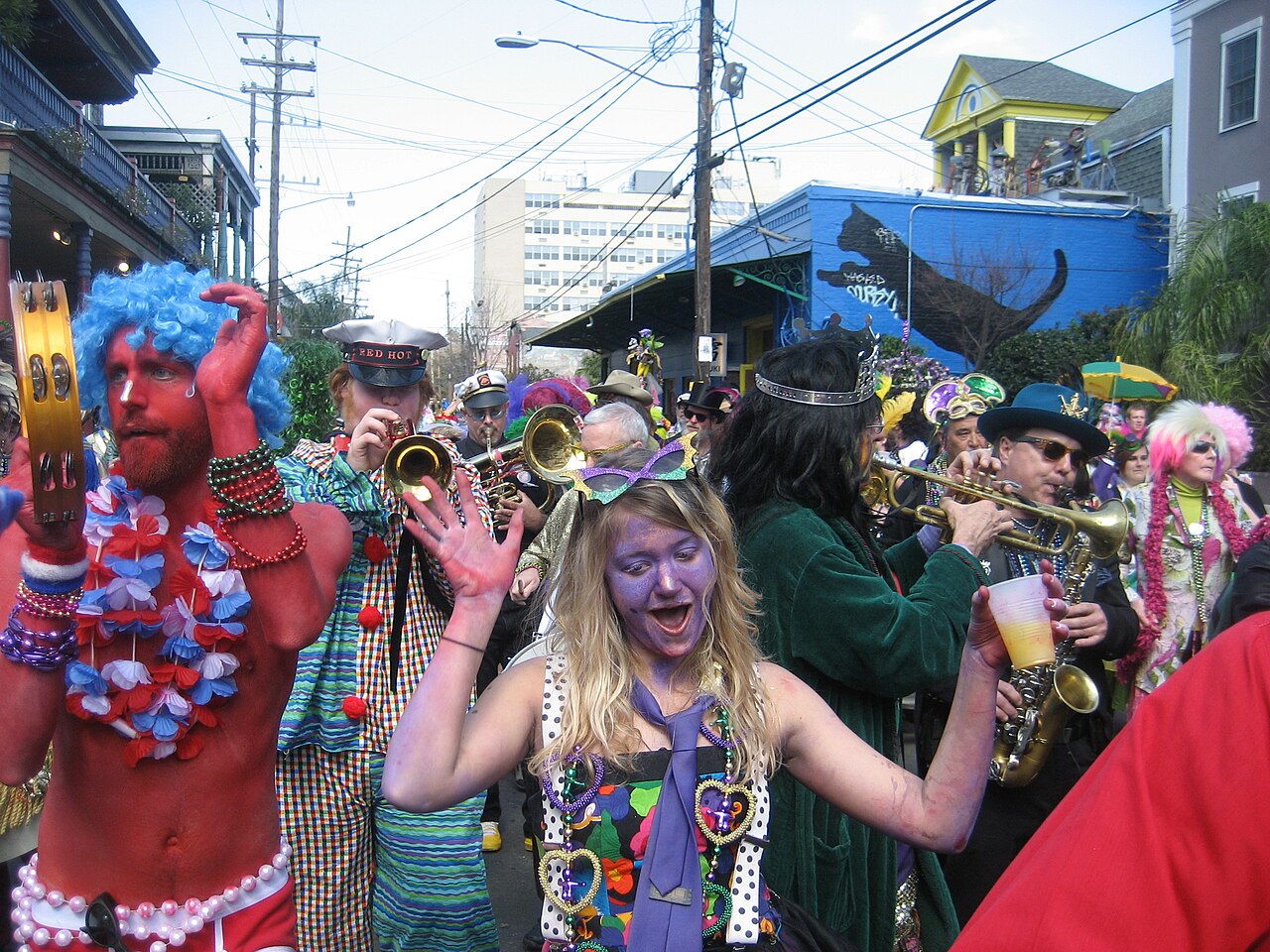
Mardi Gras to Pancake Day: Unpacking Fat Tuesday's Traditions
As winter begins to wane, a vibrant burst of color, flavor, and revelry sweeps across many parts of the globe, culminating in a day known by many names: Mardi Gras, Shrove Tuesday, or simply Pancake Day. At its heart, this festive occasion embodies a crucial transition, bridging a period of indulgence with one of spiritual reflection. To truly appreciate this unique day, we must delve into the very essence of its existence, exploring the profound Fat Tuesday Meaning: Indulge Before Lent's Fast Begins.
More than just a party, Fat Tuesday serves as a centuries-old tradition, rooted in Christian observances but embraced by diverse cultures. It's a day of last hurrahs, a final opportunity to savor rich foods and celebratory moments before the forty days of Lent begin on Ash Wednesday. Understanding its varied names and customs helps illuminate its enduring significance in our modern world.
Unpacking the Significance: What is Fat Tuesday Meaning?
The term "Fat Tuesday" is a direct English translation of the French "Mardi Gras." This moniker isn't merely a quaint turn of phrase; it's a literal description of the day's historical purpose. For Christians observing Lent, the fasting season traditionally required abstention from rich, fatty foods, particularly meat, eggs, and dairy. Fat Tuesday, therefore, became the designated day to consume these "fatty" provisions before they were set aside for the Lenten period. It was a practical solution to use up ingredients that would otherwise spoil or be forbidden, transforming necessity into a feast.
In other parts of the world, particularly the United Kingdom and Commonwealth nations, this day is more commonly known as Shrove Tuesday. The name "Shrove" derives from the Old English word "shrive," which means to confess one's sins and receive absolution. Historically, it was a day for Christians to confess and be "shriven" before the spiritual journey of Lent. This highlights a crucial dual nature of the day: one of physical indulgence and one of spiritual preparation.
Perhaps its most beloved alias in some regions is Pancake Day. This tradition emerged directly from the need to use up eggs, milk, and sugar—all ingredients traditionally restricted during Lent. Pancakes, being a simple and delicious way to combine these elements, became the iconic dish of the day, turning a practical necessity into a delightful culinary custom. This layered naming convention, from Mardi Gras to Shrove Tuesday to Pancake Day, underscores the multifaceted Fat Tuesday Meaning – a blend of culinary tradition, religious observance, and festive celebration.
A Global Feast: Culinary Traditions of Fat Tuesday
The concept of a pre-Lenten feast manifests in a dazzling array of culinary traditions across the globe, each reflecting local ingredients and cultural tastes. The central theme remains consistent: a last indulgence in rich, celebratory foods. This is precisely Why "Fat Tuesday"? The Culinary Roots of Lent Preparation are so deeply ingrained in our collective consciousness.
- New Orleans Mardi Gras: Perhaps the most famous celebration, New Orleans is synonymous with Mardi Gras. Here, the culinary landscape is vibrant and indulgent. Foods like gumbo (a hearty stew), jambalaya, and crispy beignets (fried dough dusted with powdered sugar) are staples. The iconic King Cake, a brioche-like pastry often decorated in purple, green, and gold, hides a small plastic baby, symbolizing luck and prosperity to whoever finds it.
- Pancake Day in the UK and Ireland: As mentioned, pancakes are king. Whether thin crêpes served with lemon and sugar, or thicker American-style pancakes laden with syrup and berries, families across these nations gather to make and consume vast quantities. It's a simple, comforting tradition that uses up all those "fatty" ingredients like eggs, milk, and butter before the Lenten fast.
- Fastelavn in Denmark and Norway: While often celebrated on the Sunday before Shrove Tuesday, Fastelavn is the Nordic equivalent of Carnival. Children dress in costumes, and a popular treat is fastelavnsboller – sweet buns filled with whipped cream, jam, or marzipan.
- Pączki in Poland: These rich, deep-fried doughnuts, often filled with fruit jam or custard and dusted with powdered sugar, are a beloved tradition, particularly on "Tłusty Czwartek" (Fat Thursday) preceding Fat Tuesday. But they are also enjoyed on Shrove Tuesday itself. They are denser and more decadent than typical doughnuts, perfect for using up precious Lenten-forbidden ingredients.
- Fasching Krapfen in Germany and Austria: Similar to pączki, these are fried pastries, often filled with apricot jam, and are a highlight of the Fasching (Carnival) season.
- Chiacchiere in Italy: Known by various names depending on the region (e.g., Frappe, Bugie), these light, crispy fried pastries are dusted with powdered sugar and are a popular treat during Carnevale.
Practical Tip: Crafting Your Own Fat Tuesday Feast
Even if you don't observe Lent, you can participate in the joy of Fat Tuesday. Consider hosting a themed dinner. Experiment with making homemade pancakes with various toppings, or try baking a colorful King Cake. If you're feeling adventurous, research a recipe for gumbo or beignets. The essence is to enjoy rich, comforting foods in good company, embracing the spirit of communal indulgence.
Beyond Indulgence: The Spiritual and Cultural Preparation
While the feasting and celebrations of Fat Tuesday are undeniably central, they are intrinsically linked to a deeper spiritual significance. This day isn't just about what you eat; it's about what comes next. Fat Tuesday serves as the grand finale to Carnival (or Shrovetide/Fastelavn), a period of intense revelry that acts as a stark contrast to the solemnity and introspection of Lent.
Lent, beginning on Ash Wednesday, is a 40-day period of fasting, prayer, repentance, and almsgiving in the Christian calendar. It commemorates the 40 days Jesus spent fasting in the desert. For believers, it's a time for self-examination, spiritual discipline, and drawing closer to God. The act of "shriving" on Shrove Tuesday, confessing sins, aligns perfectly with this preparation. It's a symbolic cleansing, both physical (using up rich foods) and spiritual (confessing sins), before embarking on a period of austerity and reflection.
Culturally, the exuberance of Carnival, with its parades, music, dancing, and costumes, can be seen as a way to "get it all out" before the quiet contemplation of Lent. It's a communal release, a joyous celebration of life and community, perhaps making the transition to Lenten discipline feel more deliberate and meaningful. This dynamic interplay between joyous abandon and impending solemnity is a powerful aspect of Fat Tuesday's enduring cultural footprint, transcending purely religious boundaries to become a widely recognized cultural phenomenon.
Celebrating Fat Tuesday: Modern Interpretations & Participation
Today, the celebration of Fat Tuesday continues to evolve, reflecting both its deeply traditional roots and contemporary interpretations. While religious observance remains a core component for many, the day has also become a secular occasion for festivity, community gathering, and a simple appreciation for rich food.
- Community Events: From small-town pancake breakfasts organized by local churches to massive, globally renowned parades in cities like New Orleans, Rio de Janeiro, and Venice, Fat Tuesday brings people together. These events foster community spirit and offer a chance to engage with vibrant cultural traditions.
- Culinary Exploration: For food enthusiasts, Fat Tuesday is an excellent opportunity to explore various global cuisines. Try baking a traditional Mardi Gras King Cake, experiment with different pancake recipes, or seek out Polish pączki from an ethnic bakery. It's a delicious way to connect with history and culture.
- Personal Reflection: Even without a religious framework, the idea of a "last indulgence" can prompt personal reflection. What might you choose to "give up" or take on for a period to improve yourself, your habits, or your well-being? Fat Tuesday can serve as a mindful marker for setting personal intentions.
- Dress Up and Celebrate: The playful spirit of Carnival and Mardi Gras encourages dressing up, whether it's full costume for a parade or just wearing festive colors at home. It's an invitation to embrace joy and whimsy before a potentially more subdued period.
Ultimately, whether you're tossing pancakes, dancing in a parade, or simply enjoying a rich meal with loved ones, Fat Tuesday offers a chance to pause, celebrate, and prepare for whatever lies ahead. It's a reminder of the cyclical nature of life – a time for feasting, followed by a time for reflection, each holding its unique value.
In conclusion, the Fat Tuesday Meaning is far richer and more complex than a mere indulgence in food. It's a vibrant tapestry woven from religious traditions, culinary necessity, and widespread cultural celebration. Known as Mardi Gras, Shrove Tuesday, or Pancake Day, this pivotal day marks the culmination of Carnival and serves as a spirited prelude to the solemn season of Lent. From the festive streets of New Orleans to family kitchens making pancakes, Fat Tuesday embodies a universal human impulse to celebrate, reflect, and prepare, reminding us of the enduring power of tradition in a constantly evolving world.